date_range
Sunday 08 Feb 2026


 LOCAL EDITION
close
 LOCAL EDITION


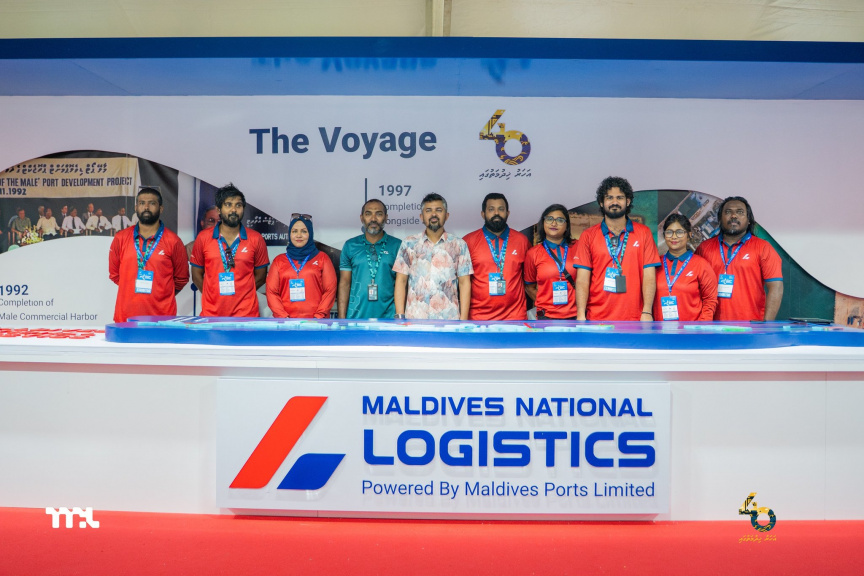
A capture from the launching ceremony of Maldives Ports Limited (MPL)’s logistics company, Maldives National Logistics (MNL). (Photo/MPL)
State-owned ports company, Maldives Ports Limited (MPL)’s venture into the field of logistics has sparked concerns from private businesses in the field who say it would constrict opportunities for them.
On Thursday, MPL introduced a new subsidiary, Maldives National Logistics (MNL), for the provision of logistics services. According to the company, the primary objective of the subsidiary is to ensure seamless distribution of essential goods and staple foods to warehouses nationwide. Through this initiative, transportation, warehousing, and delivery will be integrated into a single network, which is aimed at reducing logistics costs and provide convenient solutions for both businesses and the general public.
We officially launched Maldives National Logistics services at the Maldives Marine Expo 2026, marking a key milestone in strengthening the nation’s logistics.
— Maldives Ports Limited (@Portmv) February 5, 2026
We extend our sincere appreciation to Minister of Finance and Planning, Moosa Zameer for officiating the launch.… pic.twitter.com/wBsMBFmDyS
Speaking with Sun regarding the matter, Ahmed Maumoon (Captain Maumoon), the Chairman of Centurion – one of the largest logistics providers in the Maldives – noted that logistics businesses are heavily dependent on MPL Commercial Harbor, adding businesses currently face daily fines due to delays in clearing customers’ goods.
However, Maumoon pointed out that MPL’s logistics subsidiary would likely not penalize its own customers, creating an unfair advantage which could lead to a loss of trust placed in private logistics businesses.
“For MPL to engage in this, it amounts to competing directly with customers it currently serves. If that happens, it leaves no room for others, and this is the industry's primary concern,” he said.
@MMuizzu @em_saeed
— Capt.Manu (@captmaumoon) February 7, 2026
MPL’s role as an SOE must be clear: operate ports in the national interest — not compete with its users. When a port authority controls access, rules & labor while entering logistics and freight forwarding, it becomes both referee and player. This distorts… pic.twitter.com/vJK6LCXx0w
“By approaching the B2C (Business-to-Consumer) market and direct customers, they are posing a significant challenge to everyone else in the sector,” he added.
Maumoon suggested that a more constructive approach for MPL would be to lease port equipment and develop large-scale logistics parks and infrastructure that private logistics firms could then rent and operate from.
He further noted that there are numerous areas for improvement within the commercial harbor and emphasized that MPL should focus on resolving existing operational difficulties instead.
Maumoon suggested that MPL adopt a more constructive approach by leasing port equipment and developing large-scale logistics parks and infrastructure for use by private logistics companies. He stressed that there are several areas requiring improvement within the commercial harbor, adding MPL should prioritize addressing existing operational challenges.

Ahmed Dhamin, CEO of Next Cargo, echoed these sentiments, stating that MPL was established specifically to manage port operations. He argued that for a port authority to enter the logistics business constitutes a conflict of interest.
“If there are issues or difficulties within the freight forwarding industry, we can resolve them by meeting with stakeholders like Customs and MPL. Customs is our enforcement body, and MPL is a service provider whose services we must seek,” Dhamin explained.
He added that shipment clearance delays do not justify the government’s entry into the logistics market.
Notably, former Foreign Minister and MDP’s leader Abdulla Shahid also critiqued MPL's venture into logistics via a post on X on Saturday night, stating the government's decision to establish its own logistics operation would cause significant damage to private businesses and further disadvantage the public.
ސަރުކާރުން ލޮޖިސްޓިކްސް ކުންފުންޏެއް އުފައްދައިގެން މަސައްކަތް ކުރަން ނިންމުމަކީ ކަންބޮޑުވާންޖެހޭ ކަމެއް. މިފަދަ ނިންމުމަކީ މިނިވަން ވިޔަފާރީގެ އުސޫލުތަކާ މުޅިން ޚިލާފު، ދުނިޔޭގެ އެއްވެސް ޤައުމެއްގައި ޤަބޫލުކުރާނެ ކަމެއް ނޫން.
— Abdulla Shahid (@abdulla_shahid) February 7, 2026
ސަރުކާރުގެ ދައުރަކީ ވިޔަފާރިއާ ވާދަކުރުމެއް ނޫން.…
He stressed that the government’s decision to form a logistics company contradicts the principles of a free market and moreover, marks an unconventional move even in the international arena.
Shahid underscored that the government’s role is not to rival private businesses, but rather to support and enable the development of small and medium-sized enterprises (SMEs). He cautioned that government competition with SMEs would weaken market competition and threaten economic stability.
He added that the decision would result in significant financial losses for those employed in the logistics sector, creating hardship for many families who depend on the industry for their livelihoods and further lowering living standards.