date_range
Tuesday 03 Feb 2026


 LOCAL EDITION
close
 LOCAL EDITION


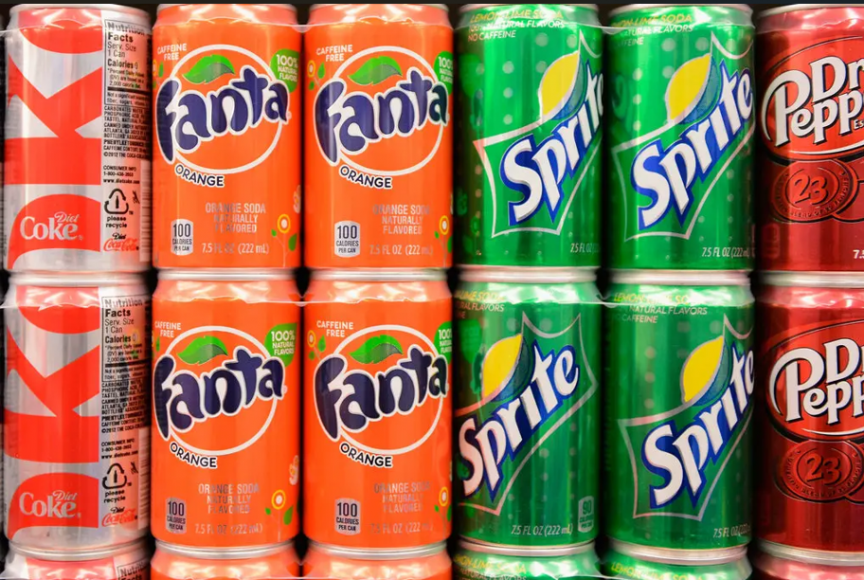
A stack of sodas: WHO has called on governments to increase tax levied on sugary drinks to discourage consumption. (Photo/Getty Images)
World Health Organization (WHO) has called on governments to significantly increase taxes levied on sugary drinks to discourage consumption.
In two newly released global reports on Tuesday, WHO highlighted that sugary drinks and alcoholic beverages are becoming more affordable due to persistently low tax rates in many countries, contributing to rising rates of obesity, diabetes, heart disease, cancer, and injuries—particularly among children and young adults.
They further warned that weak tax systems are keeping harmful products affordable, even as health systems come under increasing financial strain from preventable noncommunicable diseases and injuries.
Dr. Tedros Adhanom Ghebreyesus, the Director General of WHO, emphasized health taxes as one of the strongest tools available for promoting health and preventing disease.
“By increasing taxes on products like tobacco, sugary drinks, and alcohol, governments can reduce harmful consumption and unlock funds for vital health services,” he added.
As per the reports, at least 116 countries tax sugary drinks, many of which are sodas. Many other high-sugar products, including 100 percent fruit juices, sweetened milk drinks, and ready-to-drink coffees and teas, remain untaxed. While 97 percent of countries impose taxes on energy drinks, this proportion has remained unchanged since the last global report in 2023.
A separate WHO report indicates that at least 167 countries tax alcoholic beverages, while 12 countries prohibit alcohol entirely. Despite this, alcohol has become more affordable—or maintained the same price—in most countries since 2022, as taxes have not kept pace with inflation and income growth. Notably, wine remains untaxed in at least 25 countries, primarily in Europe, despite its well-documented health risks.